Plenty of guides compare embroidery and printing as techniques — we've written one ourselves. But when you're actually placing an order, the question is rarely abstract. It's "what should we do on the softshells?" or "can you embroider a beanie?" The honest answer is that the garment often makes the decision for you. Here's how it plays out item by item.
Polo shirts and work shirts: embroidery, almost every time
Polos are the workhorse of staff uniforms, and embroidery is the default for good reason. A stitched left-chest logo survives hundreds of washes, looks professional at conversational distance, and handles pique cotton's textured surface far better than most prints. Print only tends to win on polos when the design is large, multi-coloured and photographic — a back print for an event team, say — where stitching would be heavy and expensive.
T-shirts: print first, embroidery for the quiet look
T-shirt fabric is lighter than a polo's, so a large embroidered design can pucker and feel stiff against the skin. Print — DTF or screen printing depending on quantity — gives you big, colourful designs with no added weight, which is why virtually all event, charity and leavers t-shirts are printed. That said, a small embroidered chest logo on a heavier cotton tee is a smart, understated look that's increasingly popular for boutique brands and front-of-house teams.
Hoodies and sweatshirts: both work, so let the design decide
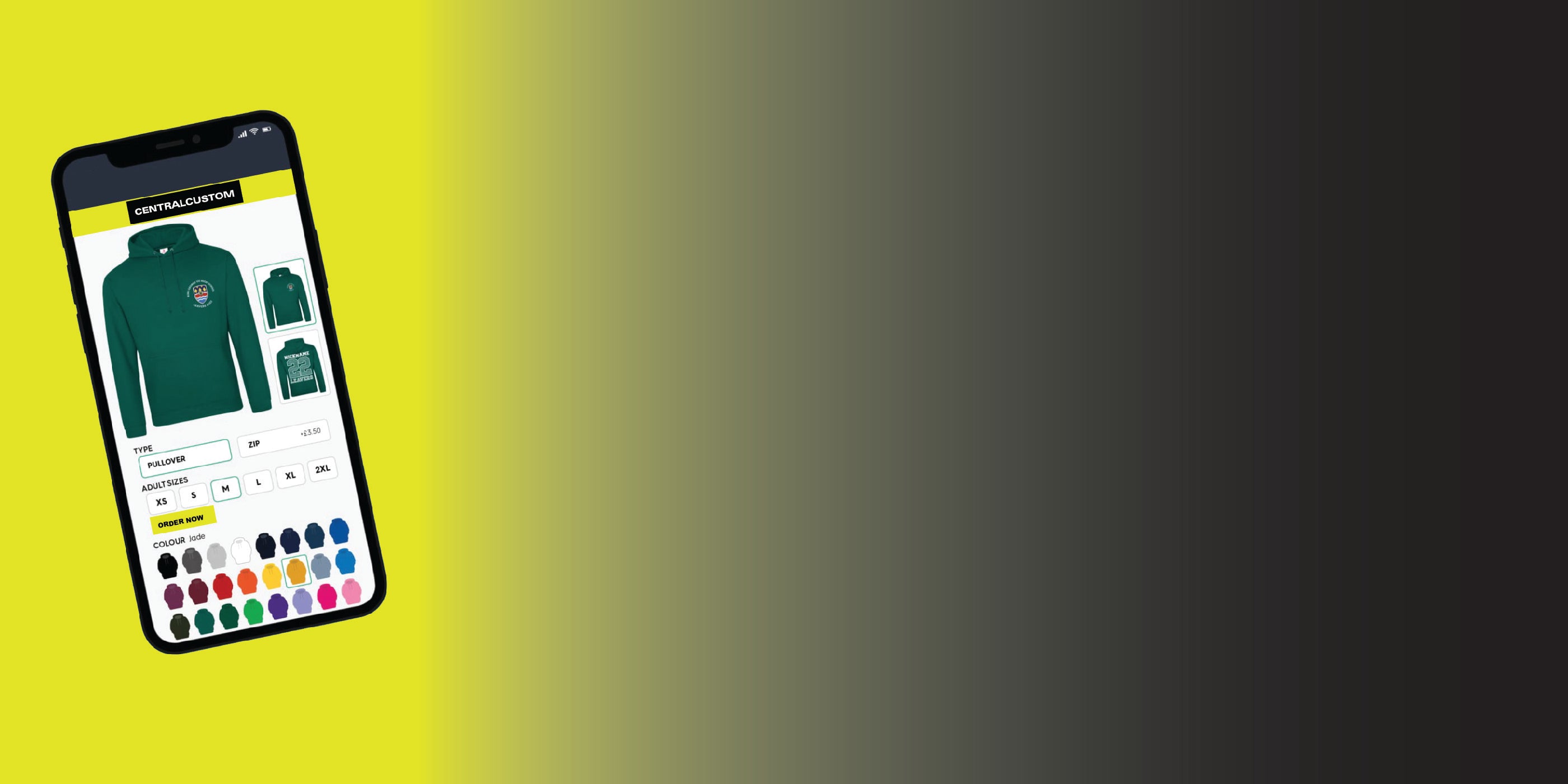
Heavyweight fleece-backed cotton takes embroidery and print equally well. The decision comes down to the design itself: stitched logos read as premium and last the garment's lifetime, while printed designs handle large lettering, gradients and multi-colour artwork better. Many of the best-looking hoodies use both — an embroidered crest on the chest and printed names or lettering across the back.
Fleece jackets: embroidery, and be wary of print
Fleece is embroidery territory. The pile is deep, soft and textured, which stitching sits into beautifully — and which most transfers struggle to grip evenly. A printed transfer on fleece can look bubbled from day one and crack as the fibres move. If your design genuinely can't be stitched, talk to us first; otherwise, embroider your fleece.
Softshell and waterproof jackets: it depends what's inside
Softshells embroider well, with one caveat: stitching perforates the membrane, so on garments sold as waterproof rather than shower-resistant, embroidery can compromise the seal. For fully waterproof shells, we'll often recommend a heat-applied transfer instead — or an embroidered badge patch applied to the garment, which gives the stitched look without piercing the membrane across the whole design. This is exactly the sort of case where it pays to ask before you order.
Hi-vis: print for compliance, small stitching where it fits
High-visibility garments are governed by safety standards, and decoration can't cover the reflective tape or reduce the fluorescent background area below what the standard requires. Print is usually the safer route on budget hi-vis vests, where thin fabric puckers under dense stitching. On heavier hi-vis jackets and polos there's room for an embroidered chest logo, provided placement respects the tape. If your crew's hi-vis needs branding, see our custom hi-vis workwear options that keep you compliant.
Caps and beanies: embroidery, by design
Headwear is built for embroidery — a structured cap front is essentially a small embroidery hoop waiting for a logo, and 3D puff stitching on a cap crown is a look print can't imitate. Beanies embroider well too, though fine detail suffers on chunky knits; a woven badge stitched to the cuff is the neater solution for detailed artwork.
Sports kit and performance fabrics: print, with names and numbers to match
Modern polyester sports fabrics are light, stretchy and sweat-wicking — all things dense embroidery fights against. Print moves with the fabric, adds no weight, and handles sponsor logos, names and numbers in one process. Embroidery still has a place on teamwear: club crests on heavier training jackets, polos and bench kit look sharp stitched. As a rule of thumb: match-day shirts printed, presentation wear embroidered.
Aprons and chef wear: embroidery for longevity
Kitchens and cafés wash workwear hard and hot. Embroidered logos on aprons, chef jackets and tunics shrug off industrial laundering that would fade or crack a cheap print. Names embroidered above the pocket also survive the tumble dryer — something worth knowing before you put fifteen staff names on transfers.
Bags, totes and accessories: depends on the surface
Cotton totes print beautifully and cheaply, which is why they're a promotional staple. Structured items — kit bags, holdalls, laptop sleeves — often can't be hooped for embroidery once assembled, so a stitched badge or a transfer applied to the panel is the practical route. If in doubt, send us the product link and we'll tell you what's possible.
Quick reference
Embroider: polos, fleece, caps, aprons, chef wear, presentation teamwear. Print: t-shirts, sports kit, hi-vis vests, totes, large multi-colour designs. Ask first: waterproof shells, beanies with fine detail, structured bags — and anything where compliance or membranes are involved.
FAQs
Can one order mix embroidery and print?
Yes — most workwear and club orders do. We'll decorate each garment with whichever method suits it, using the same artwork files throughout.
Does embroidery damage waterproof jackets?
It perforates the membrane where it stitches, which matters on fully waterproof garments. We'll flag it if your chosen jacket is affected and suggest alternatives.
Is one method cheaper?
For small quantities and left-chest logos, prices are usually comparable. Print gets cheaper at volume for large designs; embroidery costs scale with stitch count rather than colours.
What artwork do you need?
The same for both: the highest-quality version of your logo you have. Vector files are ideal, but we can redraw from a decent image.
Still unsure what suits your order? Send us your garment list and artwork via our contact page and we'll recommend the right method for every item — or browse our embroidery and printing services to see how each works.