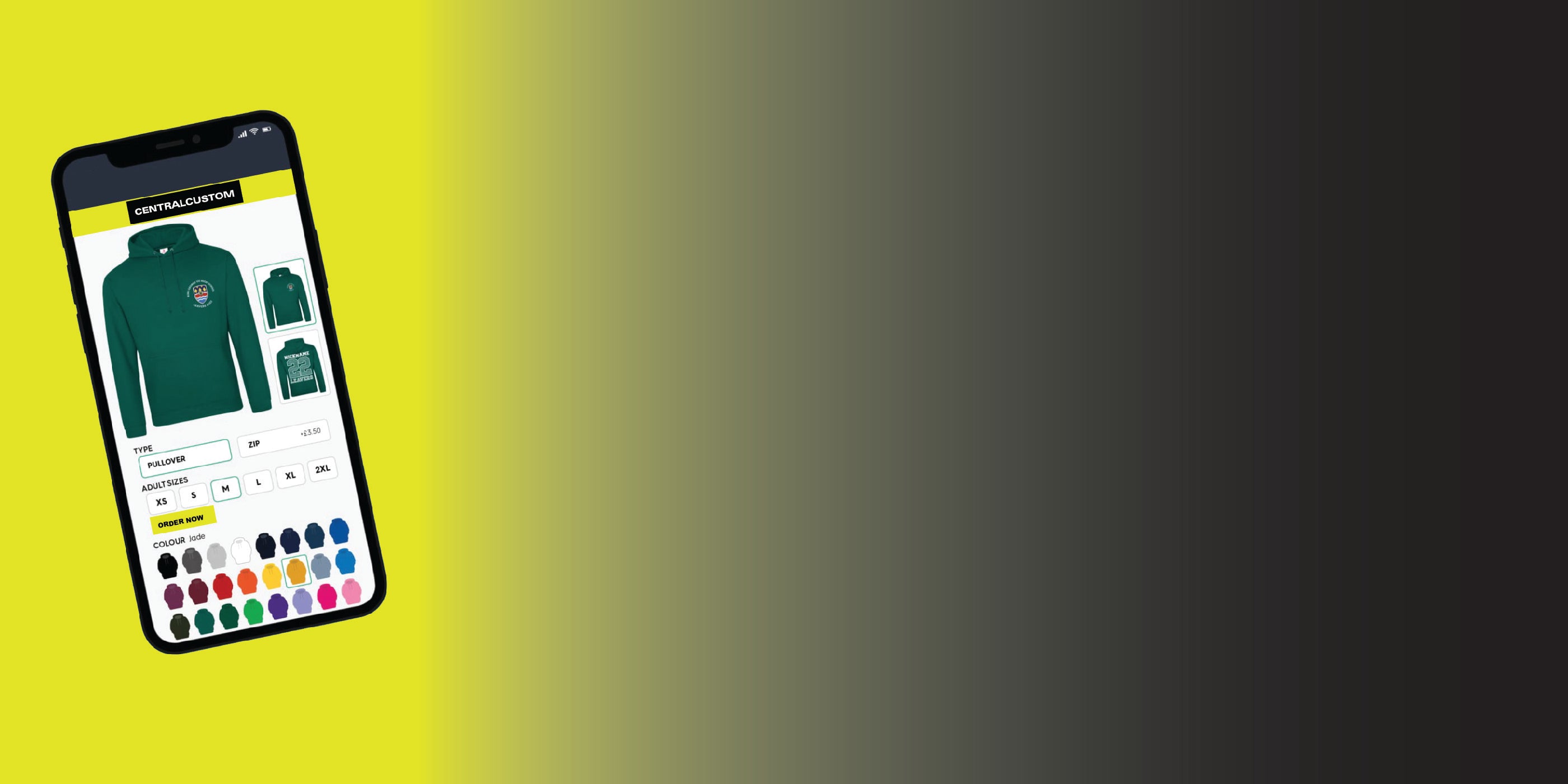
Hiring is busy enough without scrambling to sort uniform every time someone starts. The fix is a standard workwear pack — a defined set of branded garments, in known quantities and sizes, that every new starter receives on day one. Set it up once and onboarding gets faster, your team looks consistent, and reordering becomes a two-minute job.
This guide walks through how to build a branded workwear pack for your business: which garments to include, how many of each, how to handle sizing, and how to keep it easy to reorder as your team grows.
Why standardise a workwear pack
A defined pack solves three everyday problems. It makes onboarding predictable — you know exactly what to order the moment someone accepts an offer. It keeps branding consistent, because everyone wears the same garments, decorated the same way, rather than a patchwork built up over years. And it controls cost and admin, since you're reordering a known set rather than making one-off decisions each time.
It also looks professional to customers. A team in matching branded kit signals an organised, established business — whether that's a trade crew on site, a warehouse floor or a café counter.
Step 1: Decide the core garments
Start with what the role actually needs across a typical week and the seasons. Most packs are built from a few layers:
- Everyday tops — branded polos or t-shirts are the workhorse layer. Two or three per person means someone always has a clean one while others are in the wash.
- A mid-layer — a branded sweatshirt, hoodie or fleece for cooler days and air-conditioned spaces.
- An outer layer — a softshell jacket, bodywarmer or waterproof for outdoor or site-based roles. Our guide to workwear outerwear compares fleeces, softshells and bodywarmers if you're unsure.
- Role-specific items — aprons for hospitality, hi-vis for site and traffic work, headwear, or branded trousers where relevant.
Keep the list tight. A pack of three or four garment types that genuinely get worn beats a long list where half sits in a drawer.
Step 2: Choose your decoration method
How you brand the pack matters as much as the garments. The two main options are embroidery and print:
- Embroidery gives a smart, premium, hard-wearing finish that suits polos, shirts, fleeces and jackets. It handles frequent washing well, which is why it's the default for workwear that's worn daily.
- Print or transfer (such as screen print or DTF) works well for larger or more colourful designs and for t-shirts, and is often more economical for bold graphics or higher volumes.
Many packs mix the two — embroidered logos on polos and jackets, a printed design on tees. Decide the logo positions once (left chest, back, sleeve) so every garment in the pack matches. Our logo embroidery service explains how artwork setup works, and you only set your logo up once.
Step 3: Get sizing right
Sizing is where pack orders most often go wrong. A few habits keep it smooth:
- Capture sizes at offer stage. Add a simple size form to your onboarding so you're not chasing it later.
- Keep a size guide to hand. Brands vary, so share measurements rather than relying on a guessed size.
- Hold a small buffer of common sizes. Keeping a few mediums and larges on the shelf means a last-minute starter is covered immediately.
- Consider fit by role. Mixed teams may want both men's and women's cuts; physical roles may prefer a roomier fit for movement.
A digital proof and an agreed size range up front saves the cost and delay of re-orders later.
Step 4: Set quantities per person
There's no single right number, but a practical starting point for a daily-wear role is roughly three everyday tops, one mid-layer and one outer layer, plus any role-specific items. Adjust for how physical the job is and how often kit gets dirty — kitchen, workshop and outdoor roles churn through tops faster than a desk-based one.
Write the standard down as your pack spec. Then issuing kit becomes a single instruction rather than a fresh decision each time.
Step 5: Make reordering effortless
The real payoff comes at the second order. Keep a simple record of your pack — garments, colours, logo positions and a size breakdown — so a reorder is a quick repeat rather than a rebuild. At CentralCustom we keep your logo setup on file, so once your first pack is approved, matching kit for the next starter is straightforward and consistent with what your existing team already wears.
If you're kitting out a whole crew at once rather than one starter at a time, our guide on how to kit out your trade crew in branded workwear covers ordering at volume.
A note on budgeting
Cost per pack depends on the garments, the number of items and the decoration. A few levers keep it sensible: choose mid-range garments that last, keep the pack to items that genuinely get worn, and order in sensible batches rather than lots of tiny one-offs. Spending a little more on durable, well-decorated kit usually works out cheaper than replacing cheap garments that fade or fray within months.
How to order with CentralCustom
Tell us the roles you're kitting out, the garments you have in mind and rough quantities, and send your logo. We'll recommend garments and decoration, send a digital proof, and produce your pack — typically dispatched within 7–14 working days of approval. There's no minimum, so a single new-starter pack is as welcome as fifty. Browse our workwear and uniforms range to start building your spec, or email promo@centralcustom.co.uk for a quote.
FAQ
How many garments should a new starter pack include?
A common daily-wear pack is around three tops, one mid-layer (sweatshirt or fleece) and one outer layer, plus any role-specific items like aprons or hi-vis. Adjust to how physical and messy the role is.
Should workwear be embroidered or printed?
Embroidery is the durable, smart choice for daily-wear polos, shirts and jackets; print suits tees and bolder graphics. Many packs use both. We'll advise per garment.
How do I handle sizing for new starters?
Capture sizes at the offer stage using a size form and a shared size guide, and keep a small buffer of common sizes so last-minute starters are covered.
Can I reorder a single pack later?
Yes — there's no minimum at CentralCustom, and we keep your logo setup on file so reorders match your existing team's kit.